
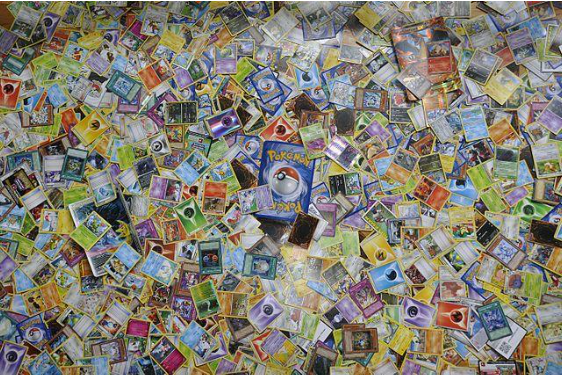
Opening trading card packs has been a defining part of the collecting hobby for generations. The anticipation of pulling a rare rookie card, valuable Pokémon, or limited-edition insert continues to attract collectors to hobby shops, card shows, and online breaks.
However, the traditional pack-ripping experience has some significant disadvantages. Between rising box prices, unpredictable card conditions, and the cost of professional grading, collectors can spend hundreds of dollars without obtaining a single card worth keeping.
An alternative is gaining attention among collectors: online slab ripping. Instead of opening packs containing ungraded cards, collectors purchase digital mystery packs that reveal professionally graded cards. While both formats involve uncertainty, the differences in condition, value, and collecting experience are worth examining.
The Problem With Traditional Pack Ripping
Traditional trading card products offer the possibility of pulling valuable cards, but the odds frequently favor less desirable outcomes.
A hobby box might contain dozens or hundreds of cards, yet only a small percentage may have significant resale value. Many base cards and common inserts are worth considerably less than the price paid to obtain them.
Premium products can make this problem more pronounced. Collectors sometimes spend substantial amounts on boxes chasing a particular autograph, rookie parallel, or rare Pokémon card, only to receive cards with limited demand.
Of course, opening traditional packs isn’t exclusively about making money. Many collectors enjoy building sets, discovering unfamiliar cards, and experiencing the suspense of a reveal.
But for collectors primarily interested in acquiring valuable individual cards, repeatedly purchasing sealed products can be an expensive approach.
Pulling a Great Card Doesn’t Guarantee a Great Grade
One of the biggest frustrations with traditional ripping is discovering that a desirable card has condition problems.
Even cards pulled directly from factory-sealed packs can have imperfections, including:
- Poor centering that affects the card’s visual balance.
- Surface scratches, print lines, or manufacturing defects.
- Soft corners or damaged edges.
- Factory dents and other imperfections that are difficult to identify immediately.
These issues can substantially influence a card’s grading potential.
A valuable rookie card that appears perfect at first glance might receive a lower grade than expected. For cards where PSA 10 examples command significant premiums, even a small condition difference can have major financial consequences.
Collectors who purchase professionally graded cards eliminate much of this uncertainty because the card’s assigned grade is already established.
Professional Grading Adds Time and Expense
Pulling a desirable raw card is sometimes only the beginning of the collecting process.
Collectors interested in authentication, long-term preservation, or maximizing resale potential may decide to submit their cards to companies such as PSA, Beckett, CGC, or SGC.
Professional grading introduces additional expenses beyond the original purchase price. Submission fees, shipping, insurance, and potential membership requirements can increase the total investment.
Turnaround times also vary depending on the grading company, service level, and submission volume.
After waiting for the results, collectors may discover that their cards received lower grades than anticipated. A disappointing grade can reduce the potential resale premium and make the grading expense difficult to recover.
For collectors who primarily want graded cards, purchasing slabs directly or opening graded mystery packs avoids the separate submission process.
Online Slab Ripping Offers a Different Experience
Online slab ripping combines the mystery of traditional pack opening with the appeal of professionally graded collectibles.
Rather than opening a physical pack containing multiple raw cards, collectors purchase a digital pack that reveals a graded trading card. Depending on the platform, the card may then be shipped, stored, or sold through an available marketplace.
Platforms such as Slab Dynasty offer this type of experience, allowing collectors to digitally open mystery packs containing professionally graded sports and Pokémon cards.
The appeal is straightforward: collectors receive a card that has already been authenticated and assigned a grade by a professional grading company.
This removes the need to evaluate whether a freshly pulled card is worth submitting for grading.
However, a graded card isn’t automatically valuable. Market demand, player popularity, rarity, and the assigned grade still determine what collectors are willing to pay.
The Economics of Raw Packs Versus Slab Packs
Traditional ripping and slab ripping have different cost structures, but neither guarantees a profitable outcome.
When purchasing sealed products, collectors pay for the entire pack or box, including common cards that may have little resale value. A successful pull can potentially offset those expenses, although many openings produce cards worth less than the original purchase price.
Slab mystery packs concentrate the experience around an individual graded collectible. This can appeal to collectors who prefer fewer cards with established grades rather than accumulating large quantities of raw inventory.
Still, mystery slab products carry their own risks.
The market value of the revealed card may be lower than the pack’s purchase price. Some platforms also use estimated values that may differ from actual recent sales.
Before purchasing, collectors should examine the advertised card pool, grading companies, potential outcomes, shipping costs, and any available information about pull probabilities.
Comparing prices against recent completed sales is generally more useful than relying exclusively on advertised card values.
When Traditional Pack Ripping Still Makes Sense
Despite its disadvantages, traditional pack ripping remains worthwhile for certain types of collectors.
Set builders need access to common cards and inserts that graded mystery packs typically aren’t designed to provide. Collectors who enjoy sorting cards, trading duplicates, or opening products with friends may also prefer the physical experience.
Traditional packs can be particularly enjoyable when the entertainment itself is the primary objective rather than financial returns.
Raw cards also offer flexibility. Collectors can choose which cards to grade, store them in binders, or trade them without paying for professional authentication.
The best format ultimately depends on whether someone enjoys the process of opening packs or primarily wants to acquire specific collectible assets.
The Bottom Line
Traditional pack ripping isn’t disappearing, but its value proposition deserves scrutiny, especially as premium trading card products become increasingly expensive.
Collectors chasing graded cards face multiple layers of uncertainty when opening raw packs. They must pull something desirable, hope it arrives in excellent condition, and potentially pay additional fees to have it professionally graded.
Online slab ripping removes the grading uncertainty and offers a more direct route to authenticated collectibles, although mystery-pack pricing and card values still require careful evaluation.
For collectors focused on building a graded collection, buying individual slabs remains the most predictable approach. But for those who enjoy the excitement of ripping packs, graded mystery products provide an alternative that avoids some of the frustrations associated with traditional raw cards.
